Learning archive
Art inspiration: imagining the future
Theme: Visions of the year 2000
Explore material preserved from an earlier CKSTEM programme: its ideas, learning resources and original context.
This is a historical archive. Dates, awards, fees and registration instructions below describe that edition; its entry period has closed. See the current contest programme and calendar.
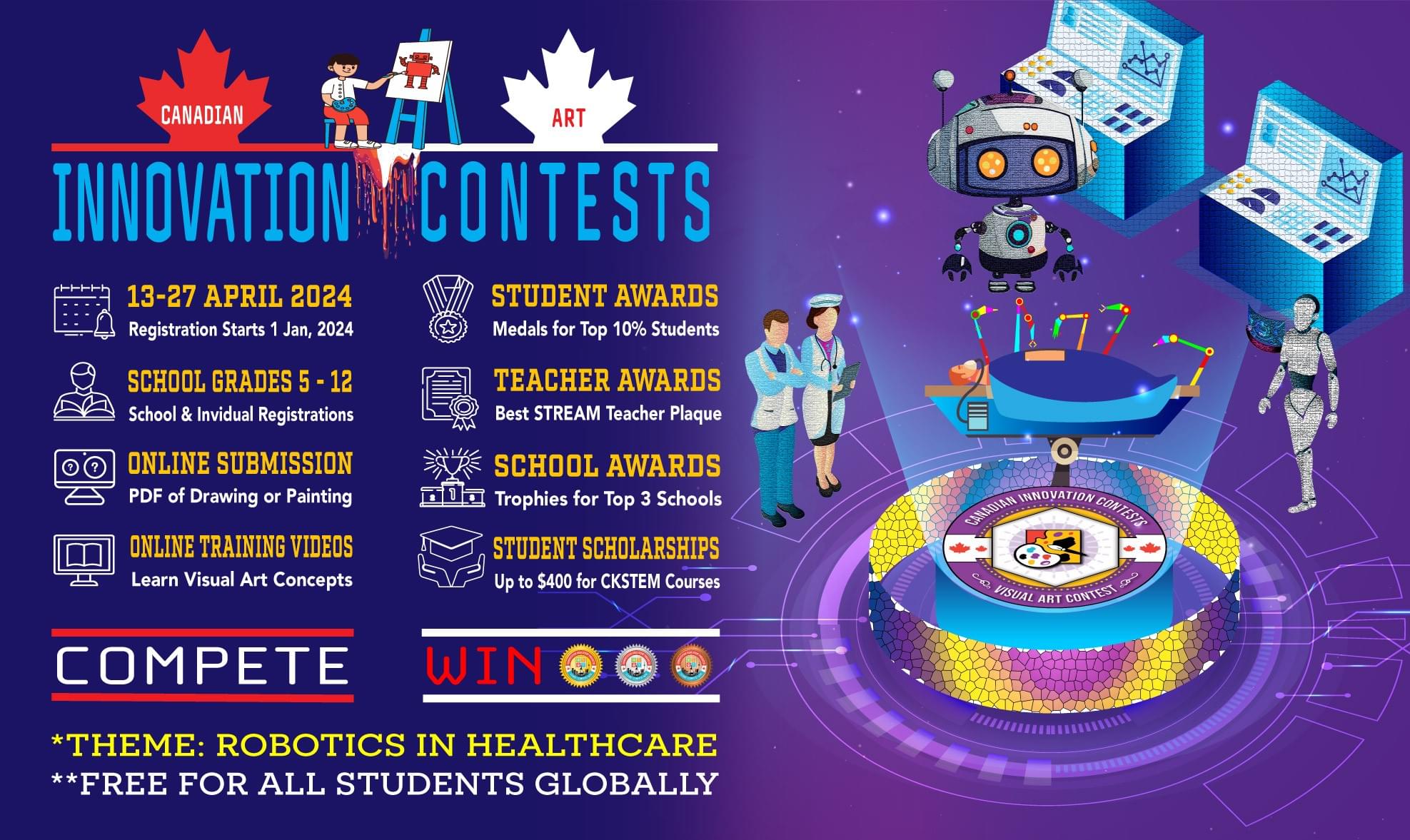
Original edition poster
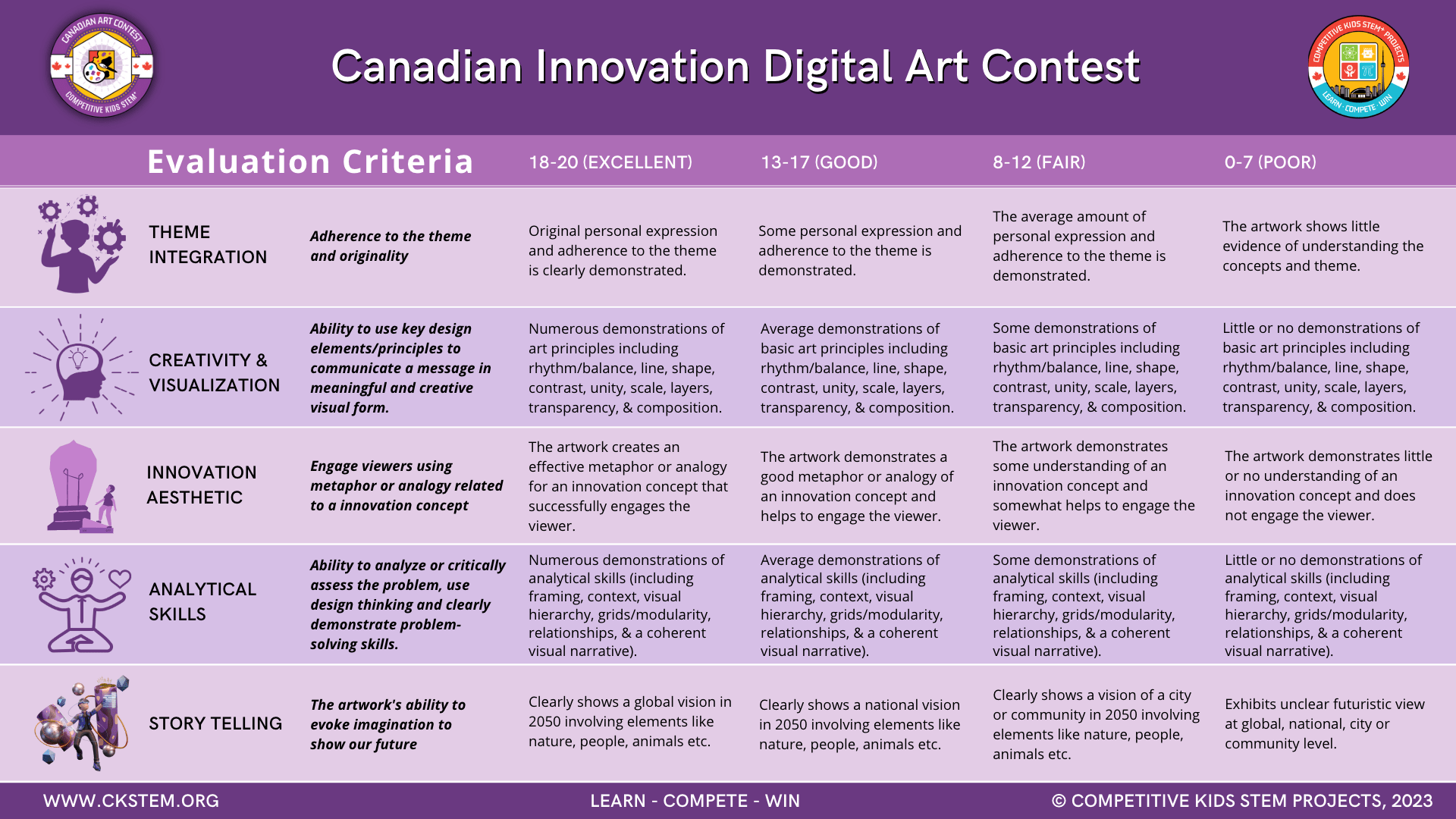
Evaluation Criteria
Digital Art Contest · 2023 evaluation rubric
Original historical rubric. Each criterion uses the published bands: 18–20 Excellent, 13–17 Good, 8–12 Fair and 0–7 Poor.
Theme Integration
Adherence to the theme and originality
- 18–20 · Excellent
- Original personal expression and adherence to the theme is clearly demonstrated.
- 13–17 · Good
- Some personal expression and adherence to the theme is demonstrated.
- 8–12 · Fair
- The average amount of personal expression and adherence to the theme is demonstrated.
- 0–7 · Poor
- The artwork shows little evidence of understanding the concepts and theme.
Creativity & Visualization
Ability to use key design elements/principles to communicate a message in meaningful and creative visual form.
- 18–20 · Excellent
- Numerous demonstrations of art principles including rhythm/balance, line, shape, contrast, unity, scale, layers, transparency, & composition.
- 13–17 · Good
- Average demonstrations of basic art principles including rhythm/balance, line, shape, contrast, unity, scale, layers, transparency, & composition.
- 8–12 · Fair
- Some demonstrations of basic art principles including rhythm/balance, line, shape, contrast, unity, scale, layers, transparency, & composition.
- 0–7 · Poor
- Little or no demonstrations of basic art principles including rhythm/balance, line, shape, contrast, unity, scale, layers, transparency, & composition.
Innovation Aesthetic
Engage viewers using metaphor or analogy related to a innovation concept
- 18–20 · Excellent
- The artwork creates an effective metaphor or analogy for an innovation concept that successfully engages the viewer.
- 13–17 · Good
- The artwork demonstrates a good metaphor or analogy of an innovation concept and helps to engage the viewer.
- 8–12 · Fair
- The artwork demonstrates some understanding of an innovation concept and somewhat helps to engage the viewer.
- 0–7 · Poor
- The artwork demonstrates little or no understanding of an innovation concept and does not engage the viewer.
Analytical Skills
Ability to analyze or critically assess the problem, use design thinking and clearly demonstrate problem- solving skills.
- 18–20 · Excellent
- Numerous demonstrations of analytical skills (including framing, context, visual hierarchy, grids/modularity, relationships, & a coherent visual narrative).
- 13–17 · Good
- Average demonstrations of analytical skills (including framing, context, visual hierarchy, grids/modularity, relationships, & a coherent visual narrative).
- 8–12 · Fair
- Some demonstrations of analytical skills (including framing, context, visual hierarchy, grids/modularity, relationships, & a coherent visual narrative).
- 0–7 · Poor
- Little or no demonstrations of analytical skills (including framing, context, visual hierarchy, grids/modularity, relationships, & a coherent visual narrative).
Story Telling
The artwork's ability to evoke imagination to show our future
- 18–20 · Excellent
- Clearly shows a global vision in 2050 involving elements like nature, people, animals etc.
- 13–17 · Good
- Clearly shows a national vision in 2050 involving elements like nature, people, animals etc.
- 8–12 · Fair
- Clearly shows a vision of a city or community in 2050 involving elements like nature, people, animals etc.
- 0–7 · Poor
- Exhibits unclear futuristic view at global, national, city or community level.
Design Inspiration and Ideas A Nineteenth-Century Vision of the Year 2000
Design Inspiration and Ideas
A Nineteenth-Century Vision of the Year 2000
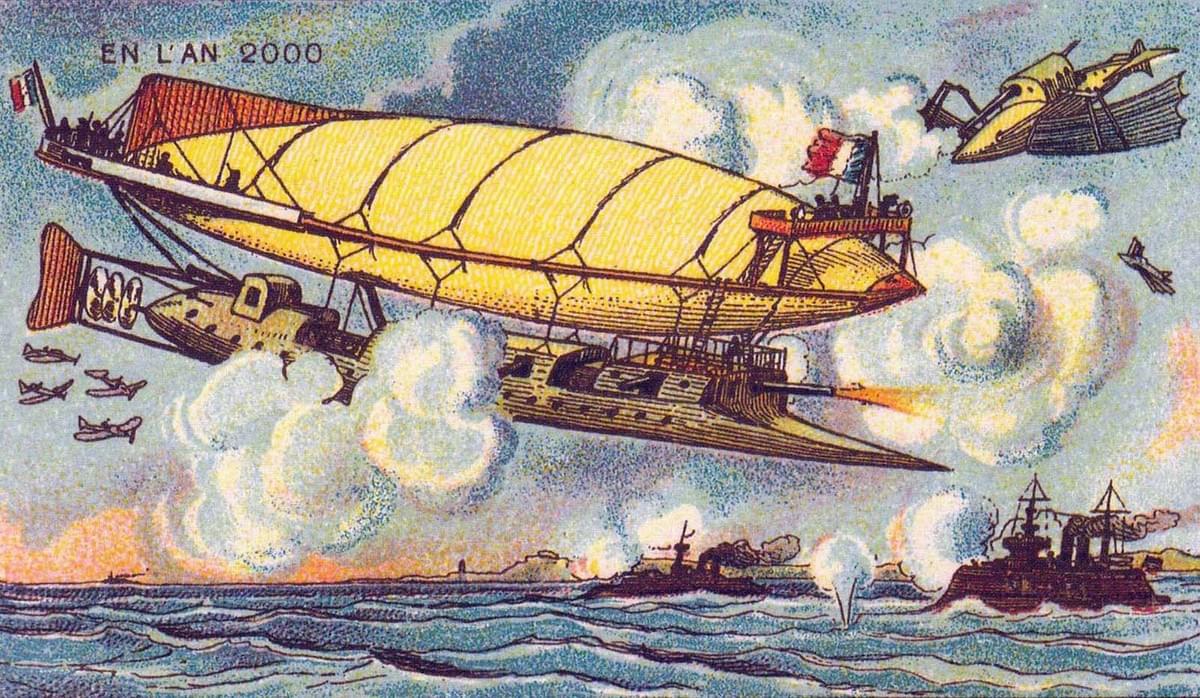
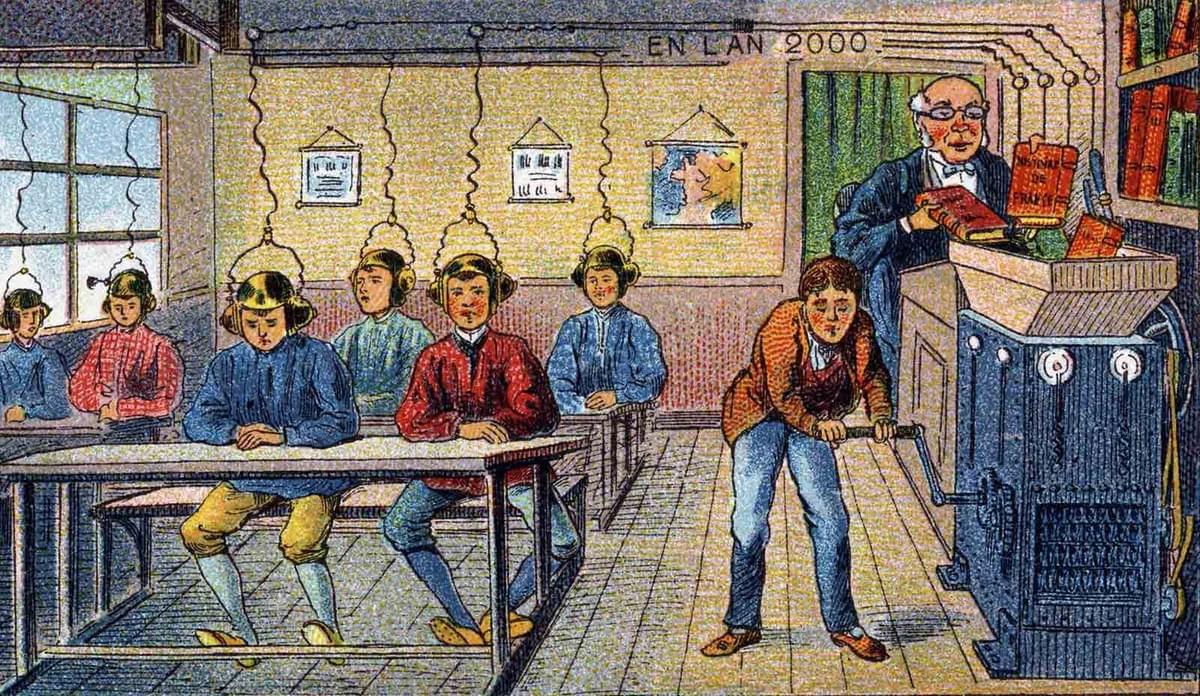
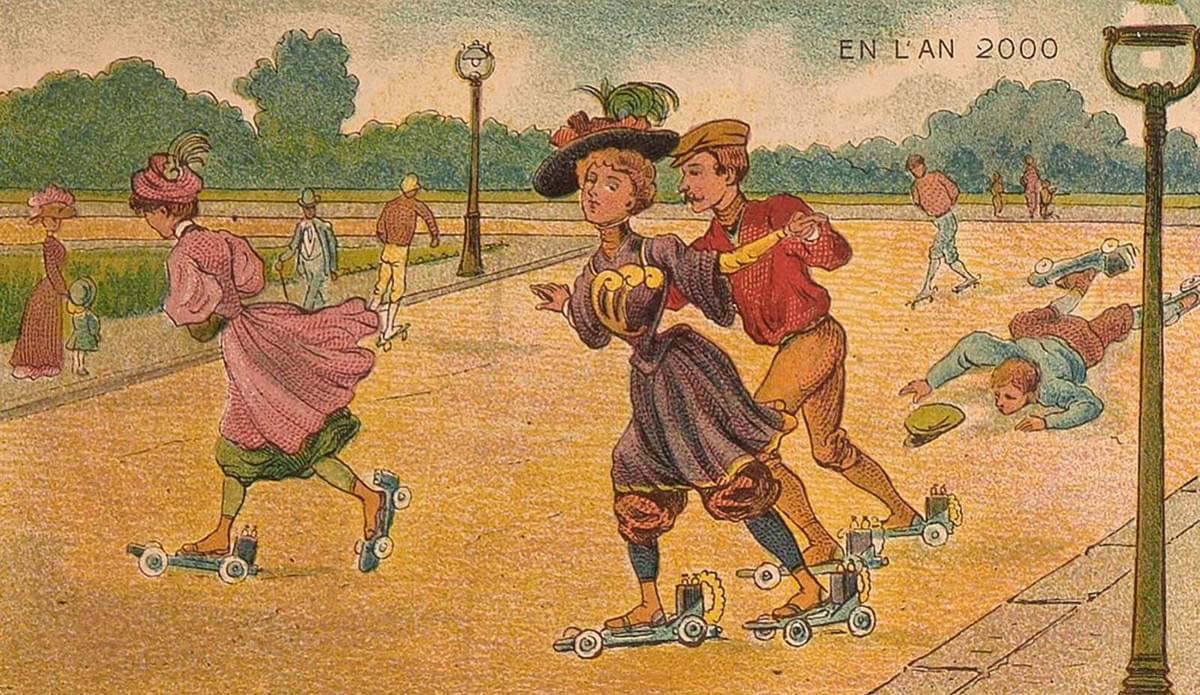
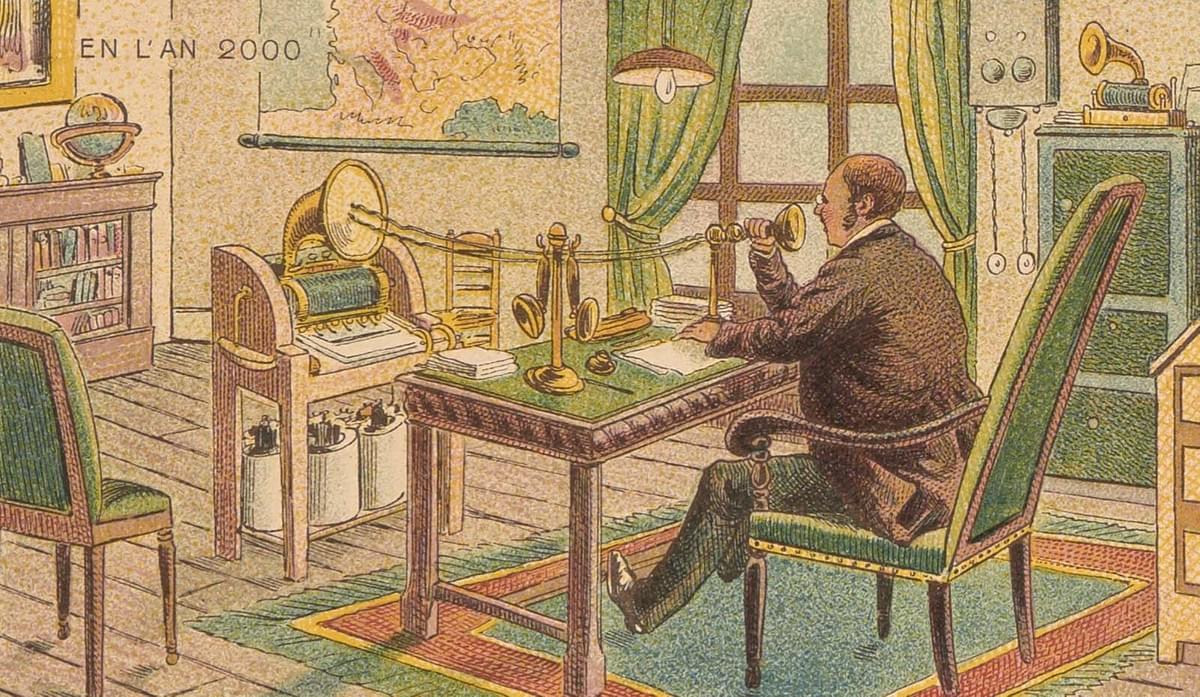
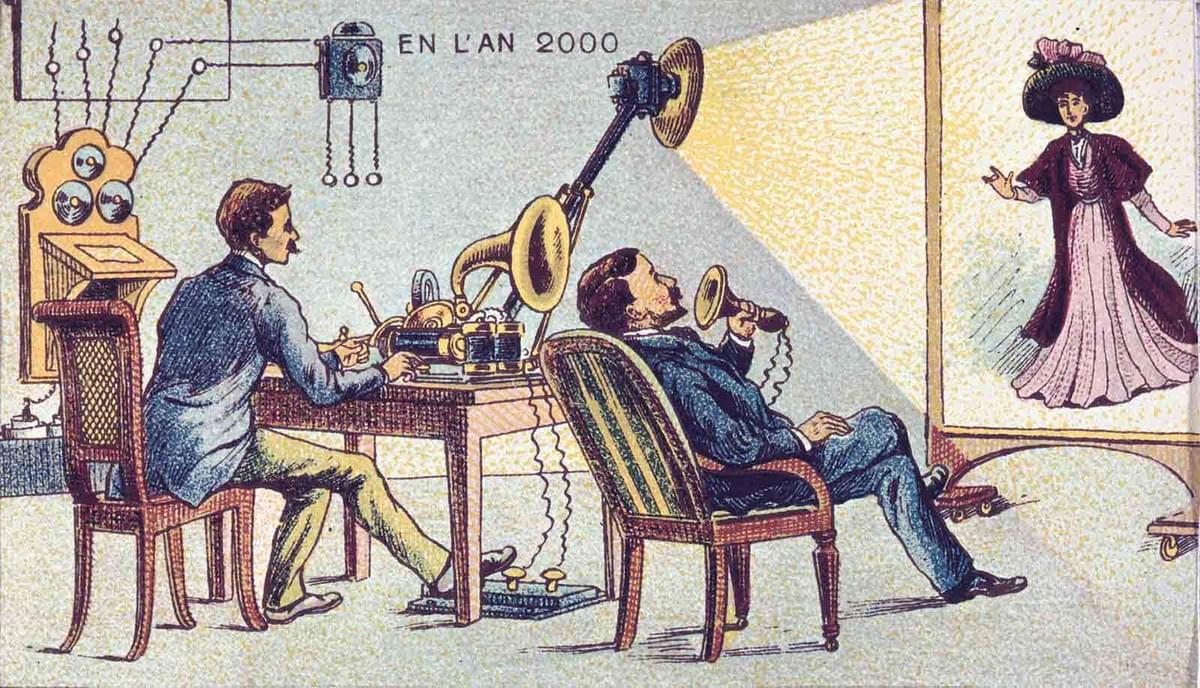
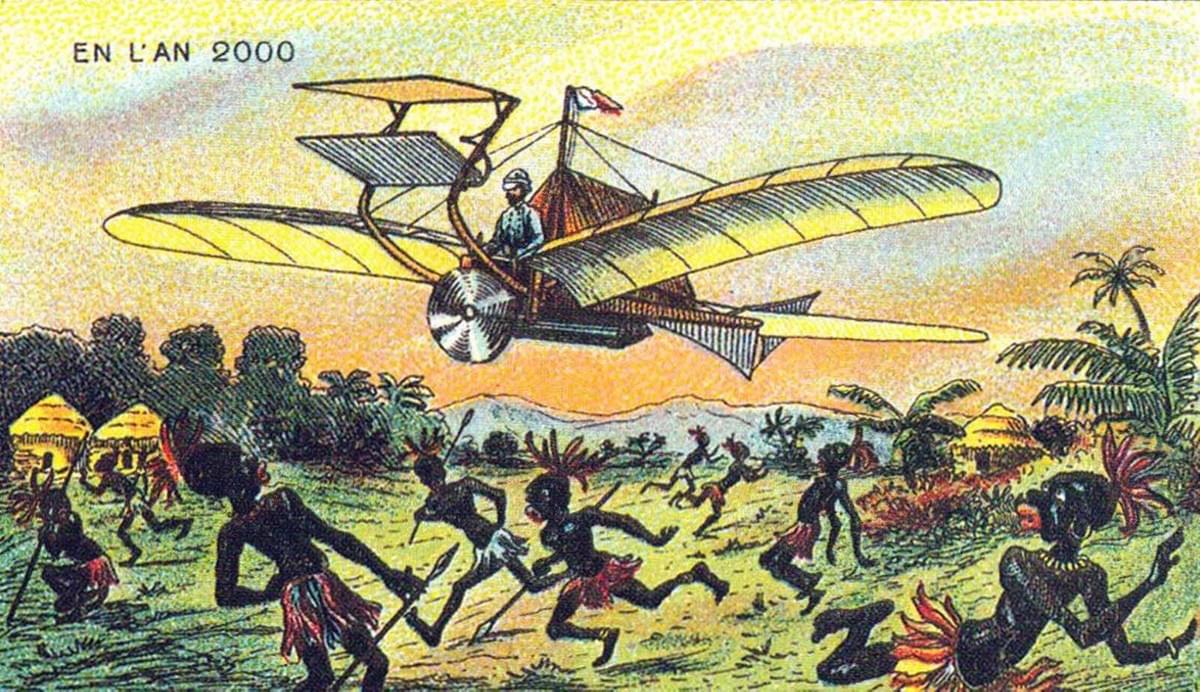
In 1899, a group of French illustrators led by Jean-Marc Côté was tasked with imagining what France would look like in the year 2000. Their ideas weren’t always on the money, but many have been realized, albeit not precisely according to the original drawings. These futuristic pictures were released in four installments in 1899, 1900, 1901, and 1910 and took the form of cigarette/cigar box inserts and, later, postcards.
Images below are shared to fuel your imagination. In 1899, People imagined what we could do in 2000. Can you share what we may do differently in 2050 using your imagination and artwork?
At School
At School
Moving using Rollers
Speaking Remotely
Video Telephone
An Explorer
An Aerial Battle